
Mastering Track Blood Sugar at Home: Your Guide to Confident Monitoring
- Determined Diabetic
- May 2
- 4 min read

Managing blood sugar levels is a crucial part of living well with diabetes or pre-diabetes. Taking control of your health starts with understanding how to track your blood sugar at home. It might seem overwhelming at first, but with the right tools and knowledge, you can become confident in monitoring your levels and making informed decisions every day.
Why It’s Important to Track Blood Sugar at Home
Keeping an eye on your blood sugar levels regularly helps you understand how your body responds to food, exercise, medication, and stress. This awareness allows you to:
Prevent dangerous highs (hyperglycemia) and lows (hypoglycemia)
Adjust your diet and lifestyle to maintain balance
Communicate more effectively with your healthcare provider
Feel empowered and in control of your health journey
For example, if you notice your blood sugar spikes after certain meals, you can work on modifying those meals or your portion sizes. Tracking also helps you spot patterns that might require medical attention.

Simple Steps to Track Blood Sugar at Home
Getting started with home blood sugar monitoring is easier than you might think. Here’s a straightforward approach:
Choose the Right Equipment
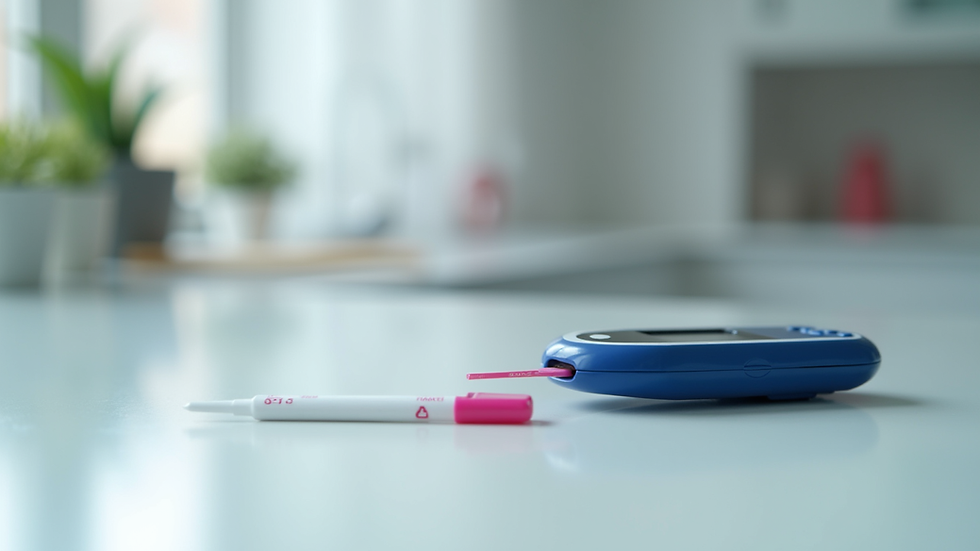
Select a reliable blood glucose meter. Many options are available, so look for one that is easy to use, has clear instructions, and fits your budget.
Gather Supplies
You will need test strips compatible with your meter, lancets for finger pricks, and a clean surface to work on.
Wash Your Hands
Always wash your hands with soap and warm water before testing. This prevents contamination and ensures accurate results.
Prepare the Meter and Lancet
Insert a test strip into the meter. Load the lancet device with a new lancet.
Prick Your Finger
Use the lancet to prick the side of your fingertip. This area is less painful than the pad.
Apply Blood to the Test Strip
Gently squeeze your finger to get a drop of blood. Touch the drop to the test strip as directed.
Read and Record the Result
Your meter will display your blood sugar level within seconds. Write down the number, along with the date and time.
Dispose of Lancet Safely
Use a sharps container or a puncture-proof container to dispose of used lancets.
By following these steps, you can track your blood sugar levels accurately and consistently.
How Can I Check My Blood Sugar Without a Machine?
While blood glucose meters are the most accurate and recommended method, some people wonder if there are ways to check blood sugar without a machine. The truth is, there is no reliable way to measure your blood sugar precisely without a device.
However, you can watch for symptoms that might indicate high or low blood sugar, such as:
Feeling very thirsty or hungry
Frequent urination
Fatigue or weakness
Blurred vision
Shaking or sweating (common in low blood sugar)
These signs can help you recognize when you might need to test your blood sugar or seek medical help. But remember, symptoms alone are not enough to manage your condition safely. Using a blood glucose meter remains the best practice.
Tips for Accurate and Consistent Monitoring
To get the most out of your blood sugar tracking, keep these tips in mind:
Test at the Same Times Daily
Common times include before meals, two hours after meals, and before bedtime. Consistency helps you spot trends.
Keep a Log
Use a notebook, app, or digital tool to record your readings. Include notes about meals, exercise, and how you feel.
Calibrate Your Meter
Follow the manufacturer’s instructions to ensure your meter is working correctly.
Avoid Testing on Cold or Dirty Fingers
Cold fingers can reduce blood flow, and dirt can affect the reading.
Stay Calm and Relaxed
Stress can affect blood sugar levels, so try to test when you feel calm.
Consult Your Healthcare Provider
Share your logs regularly to adjust your treatment plan as needed.
How to Monitor Blood Sugar at Home with Confidence
If you want to learn more about how to monitor blood sugar at home, there are many resources available that can guide you step-by-step. Remember, mastering this skill takes practice, but it’s a powerful way to take charge of your health.
By tracking your blood sugar regularly, you gain valuable insights that help you live a healthier, more balanced life. You’re not alone on this journey - support and tools are available to help you succeed.
Making Blood Sugar Monitoring Part of Your Daily Routine
Incorporating blood sugar checks into your daily life doesn’t have to be a chore. Here are some ideas to make it easier:
Set Reminders
Use your phone or watch to remind you when it’s time to test.
Create a Comfortable Space
Designate a clean, quiet spot for testing with all your supplies handy.
Pair Testing with Another Habit
For example, test right after brushing your teeth or before your morning coffee.
Celebrate Your Progress
Acknowledge your efforts and improvements, no matter how small.
By making monitoring a natural part of your day, you’ll feel more in control and less burdened by the process.
Mastering blood sugar monitoring at home is a key step toward managing your health effectively. With the right approach, tools, and mindset, you can confidently track your levels and make choices that support your well-being every day.


Comments