
How to Properly Care for Your Insulin and Diabetes Medications: Essential Tips for Everyday Use
- Determined Diabetic
- Jul 4
- 4 min read

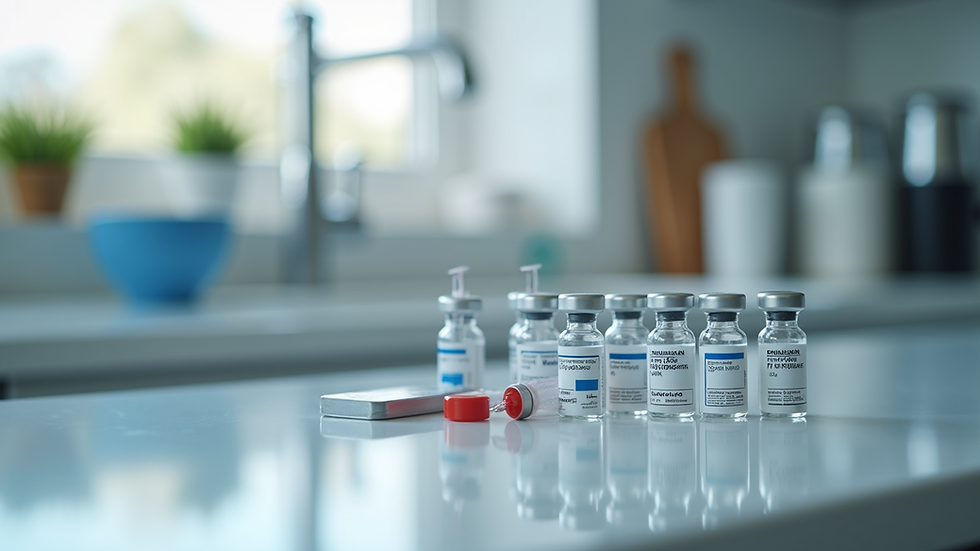
Managing diabetes means more than just taking your medications on time. It also means caring for those medications properly so they stay effective. Insulin and many diabetes medicines are sensitive to heat, cold, light, and handling. If they are not stored or handled correctly, they can lose their strength and may not work as expected. This can make blood sugar control harder and affect your health.
In this post, I’ll share practical tips for storing, handling, and traveling with your insulin and diabetes supplies. These simple habits help keep your medications working well every day. Always follow the instructions on your medication packaging and check with your healthcare provider before making any changes.
Why Proper Care of Insulin and Diabetes Medications Matters
Insulin is a protein that breaks down when exposed to extreme temperatures or direct sunlight. Even if it looks normal, insulin that has been damaged may not lower your blood sugar properly. Oral diabetes pills, test strips, glucose meters, and devices like insulin pumps or continuous glucose monitors (CGMs) can also be affected by poor storage.
Taking care of your medications helps you avoid wasting them and reduces the chance of unexpected blood sugar swings. It also gives you confidence that your treatment is working as it should.
General Storage Guidelines for Insulin and Diabetes Medications
Unopened insulin should be kept in the refrigerator between 36 and 46°F (2 to 8°C). Avoid freezing it or placing it in the freezer compartment.
Opened insulin (the vial or pen you are currently using) can usually be stored at room temperature, up to about 77–86°F (25–30°C), for up to 28 days. Check your specific insulin’s instructions. Keep it away from heat sources like stoves, windows, or radiators.
Oral diabetes medications should be stored at room temperature in a cool, dry place. Avoid bathrooms or cars where humidity and heat can damage them.
General rule: Keep all your diabetes supplies out of direct sunlight and away from extreme cold or heat.
Never freeze insulin. If it freezes, it will be damaged permanently and should not be used, even if thawed.
Everyday Handling Tips to Keep Medications Effective
Inspect insulin before use. Look for changes like cloudiness, particles, or discoloration. If it looks different or has been exposed to improper conditions, throw it away.
Be aware of temperature. Don’t leave your insulin or supplies in hot cars, near heaters, or in cold places like unheated garages during winter.
Stay organized. Use a dedicated diabetes bag or case to keep your supplies together and protected. Label expiration dates so you can use older supplies first.
Practice good hygiene. Wash your hands before handling insulin or supplies. Keep injection sites and devices clean to avoid infections.
Rotate your stock. Use the oldest supplies first (first in, first out) to reduce waste.
Travel and On-the-Go Care for Insulin and Diabetes Medications
Traveling with diabetes supplies requires extra care to keep them safe and effective.
Always carry your supplies with you. Never put insulin or medications in checked luggage or leave them in a hot car.
Use an insulated travel case or pouch to protect insulin from temperature changes. For longer trips, pack a small cooler with a barrier like a towel so insulin doesn’t touch ice packs directly.
When flying, pack your supplies in your carry-on bag. It helps to have a doctor’s note explaining your medications and devices.
In very hot or cold weather, check your supplies often and bring backups.
One helpful product I recommend is the Frio Cooling Wallet, which uses evaporative cooling to keep insulin cool without refrigeration. It’s lightweight and easy to carry, making it perfect for daily use or travel.
Caring for Monitoring Supplies and Devices
Keep test strips and meters in their original containers, away from moisture, heat, and sunlight. Extreme temperatures can cause inaccurate blood sugar readings.
Follow manufacturer instructions for CGMs, insulin pumps, and sensors. Avoid exposing them to extreme temperatures that could affect their function.
Store spare batteries and accessories in a stable environment and check them regularly.
Quick Daily Checklist for Medication Care
Store unopened insulin in the fridge and opened insulin at room temperature as recommended.
Carry your supplies with protection when you leave the house.
Inspect your insulin and medications regularly for any changes.
Keep backup supplies handy in case of emergencies.
Stick to your routine to avoid missed doses or damaged supplies.

Final Thoughts on Caring for Your Insulin and Diabetes Medications
Taking care of your insulin and diabetes medications is a simple step that makes a big difference. Using a proper case, checking temperatures, and planning ahead help keep your treatment consistent and reliable. These habits reduce stress and help you focus on feeling your best every day.
At Determined Diabetic Coaching, we focus on practical tools and education that fit your life. If you want personalized strategies or support to build routines that work, reach out. We’re here to help you thrive.
Remember, take care of your supplies, and they’ll help take care of you.
This post is for informational purposes only and does not replace medical advice. Always consult your healthcare provider for guidance specific to your health needs.


Comments